Which type of air conditioning system fits my home?
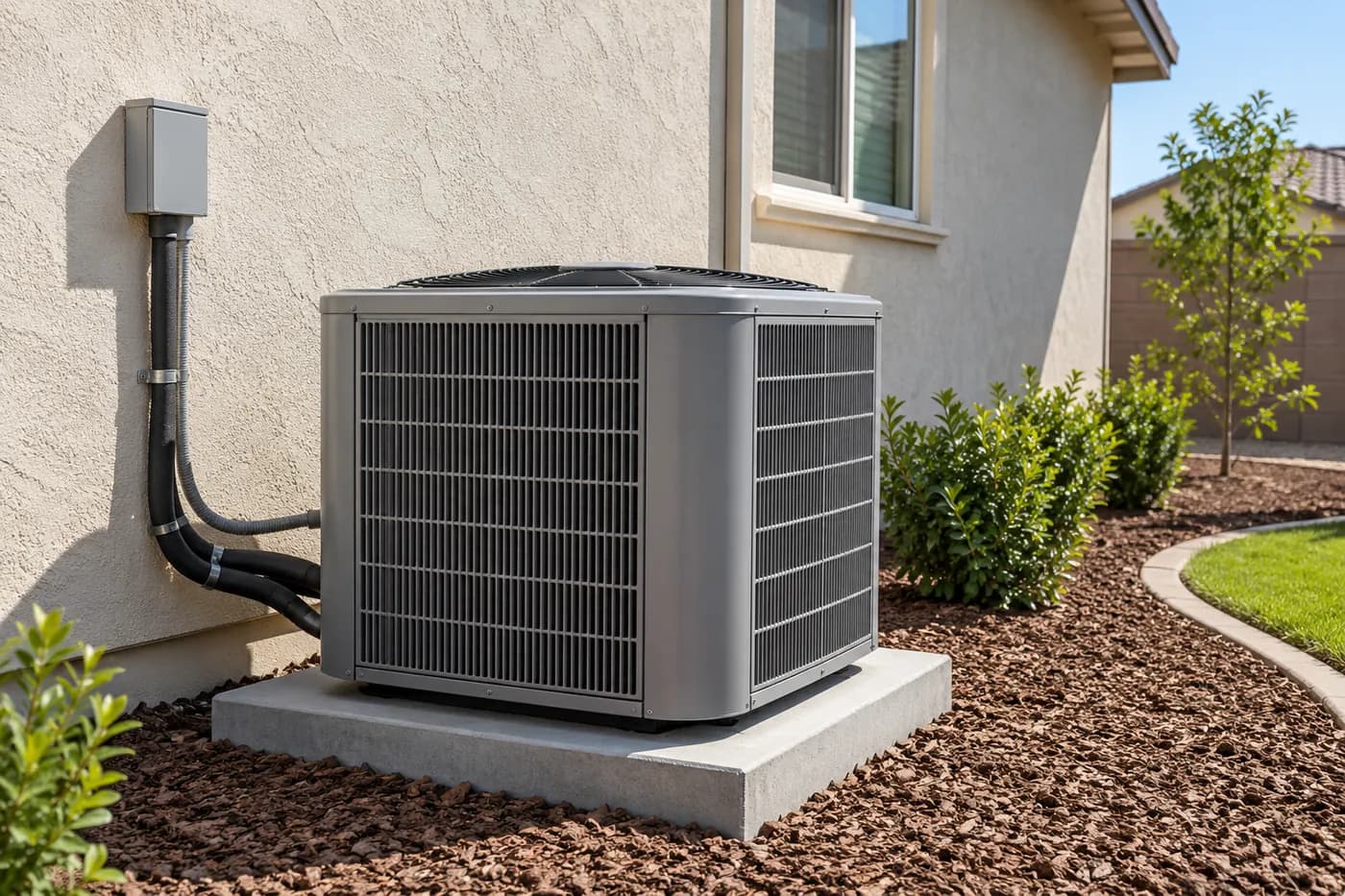
Central AC uses ducts to cool several rooms from one outdoor unit and indoor coil. A heat pump can cool and heat through the same basic system. A ductless mini-split uses an outdoor unit with one or more indoor heads, making it useful for additions, converted spaces, and rooms where ducts are limited.
Central AC is often a practical choice when the home already has usable ducts. It can provide even cooling through supply vents, but damaged, undersized, or leaky ducts can waste capacity. The indoor coil, blower, return path, and outdoor unit must work together.
A heat pump moves heat rather than creating cooling through a separate cooling-only system. It can provide heating during cooler weather and cooling during summer. Ask how the system will operate in your climate and how the existing electrical service supports the equipment.
Ductless mini-splits send refrigerant lines from an outdoor unit to indoor heads. They work well for room additions, garages, workshops, and homes without full ductwork. Each indoor head needs a good location, clear airflow, and a way to manage condensate.
How is the right AC size calculated?
The right AC size comes from a room-by-room load calculation, not square footage alone. The calculation considers windows, insulation, ceiling height, sun exposure, air leakage, ductwork, occupancy, and local outdoor conditions. An oversized unit may cool quickly but run short cycles, remove less humidity, and wear more than expected.
Square footage gives only a rough starting point. Two homes with the same floor area can need different equipment because of window placement, insulation, shade, ceiling height, and air leakage. A load calculation turns those details into a capacity target.
An oversized system can reach the thermostat setting before it runs long enough to remove moisture. Short cycling may also increase starts on the compressor and electrical parts. An undersized system can run for long periods and still struggle during the hottest afternoon.
The duct layout matters during sizing. A return that is too small can starve the blower, while narrow supply ducts can limit airflow. Ask how the proposed capacity matches the measured airflow and the condition of the existing ductwork.
What does a SEER2 rating tell me?
SEER2 is a seasonal efficiency rating for air conditioning and heat pump cooling. A higher rating generally means the equipment uses less electricity under the rating test, but it does not predict every home’s bill. Compare ratings within the same equipment type, and ask how sizing, run time, ducts, and installation affect results.
Efficiency ratings help compare equipment, but the rating is only one part of the decision. A high-rated system cannot perform as expected if the capacity is wrong, the filter is restricted, or the ducts leak. Installation quality affects airflow and the system’s ability to transfer heat.
Look at the complete system rating, not only a number on an outdoor cabinet. The outdoor unit, indoor coil, blower, and controls must be matched combinations. Ask for the exact model information and rating for the proposed system before approving the work.
Operating cost also depends on thermostat settings, insulation, sun exposure, filter condition, and how often the system runs. A higher rating may cost more to buy, so compare the equipment, installation, expected use, and service access together.
Do ducts, noise, and layout affect the choice?
Duct condition, equipment location, airflow, and sound levels can change which system makes sense. Leaky ducts may need sealing or replacement, while a small return can create noise and limit performance. Ductless heads avoid much ductwork but need visible wall space and careful placement for even room coverage.
Ask for a duct inspection before choosing a central system. Look for crushed flex duct, disconnected joints, poor insulation, undersized returns, and supply runs that do not reach the rooms that need cooling. A new outdoor unit cannot correct every duct problem.
Noise comes from the compressor, condenser fan, blower, airflow restrictions, and indoor head location. A system may sound louder when placed near a bedroom window or when a return grille is too small. Ask where the equipment will sit and how sound will be managed.
Ductless systems need a clear path for air from each indoor head. Furniture, curtains, and narrow hallways can limit distribution. Central systems may provide better whole-home coverage, while ductless zones can give separate control to rooms with different schedules.
What should I ask for in an AC estimate?
Ask for the proposed system type, capacity, SEER2 rating, matched indoor and outdoor equipment, duct changes, electrical requirements, drain work, thermostat, sound considerations, and removal details. Request the load calculation and a clear scope of work. ProLine Services gives a free estimate before any work starts, with scheduling after approval.
A useful estimate should explain why the system fits the home. It should identify the load calculation method, equipment capacity, indoor coil or heads, outdoor unit, controls, refrigerant line condition, condensate routing, and any duct or electrical changes.
Ask what happens if the existing service panel, disconnect, platform, drain, or ductwork does not meet the equipment requirements. You should also know who will handle startup testing, airflow checks, thermostat setup, and the final walkthrough.
Write down your priorities before the consultation. Include rooms that stay warm, noise concerns, uneven airflow, heating preferences, and any plans to finish a garage or addition. We serve Fresno and nearby cities, including Clovis, Madera, Sanger, and Kerman.
Which air conditioning system fits different homes?
| System type | Best fit | Things to weigh |
|---|---|---|
| Central AC | Homes with usable ductwork and whole-home cooling needs | Duct leaks, return airflow, noise, and equipment space |
| Heat pump | Homes needing cooling and electric heating from one system | Heating performance, electrical service, controls, and sizing |
| Ductless mini-split | Additions, garages, workshops, and rooms without ducts | Indoor head location, visible lines, condensate, and zoning |
| Multi-zone ductless | Homes needing separate control for several rooms | Head placement, outdoor capacity, controls, and maintenance access |
| Central heat pump with existing ducts | Homes with ducts that need both heating and cooling | Duct condition, airflow, backup heat, and electrical requirements |
Questions people ask
Is a heat pump useful in Fresno weather?
A heat pump can provide cooling during hot weather and heating during cooler periods. The right choice depends on the home’s load, electrical service, ductwork, controls, and heating preferences. Ask for equipment selected for the local climate and a clear explanation of how the system will operate during colder weather.
Can I replace central AC without replacing my ducts?
You may be able to reuse ducts if they are properly sized, sealed, insulated, and accessible. Leaks, crushed sections, weak returns, or poor layout can reduce the performance of new equipment. Have the ductwork inspected and ask whether repairs are needed before selecting the system capacity.
Are ductless mini-splits good for an older home?
Ductless mini-splits can work well in older homes that lack usable ductwork or have rooms added over time. Each indoor head needs careful placement, and the outdoor unit needs a suitable location. Consider how many rooms need cooling, how controls will work, and how condensate will drain.
Should I choose the highest SEER2 rating available?
The highest SEER2 rating is not always the best match for every home. Compare the full system, installed capacity, duct condition, expected run time, equipment cost, and service needs. Correct sizing and airflow matter as much as the rating. Ask for the expected tradeoffs in plain language.