
What plumbing problems are common in Central Valley homes?
Central Valley homes often see plumbing trouble from hard water, older pipe materials, shifting soil, and heavy daily use. Scale can shorten water heater life, while leaks may hide below a slab or inside walls. Slow drains, sewer odors, and toilets that never stop running are early clues worth checking before damage spreads.
Hard water leaves mineral scale inside faucets, showerheads, valves, and water heaters. You may see white crust around fixtures, reduced flow, or water that takes longer to heat. Scale can also make a water heater work harder and reduce the space available inside the tank.
A leak may show as a wet cabinet floor, a ceiling stain, a warm spot on a slab, or a water meter that moves when every fixture is off. Older homes may also have galvanized pipe that rusts from the inside. That rust can cause low pressure, brown water, and pinhole leaks.
Slow drains can come from hair, grease, soap, or a damaged sewer line with roots inside it. A toilet that runs after flushing may have a worn flapper or fill valve. Finding these signs early can help you limit water waste and prevent damage to floors, walls, and cabinets.
How does hard water affect a water heater?
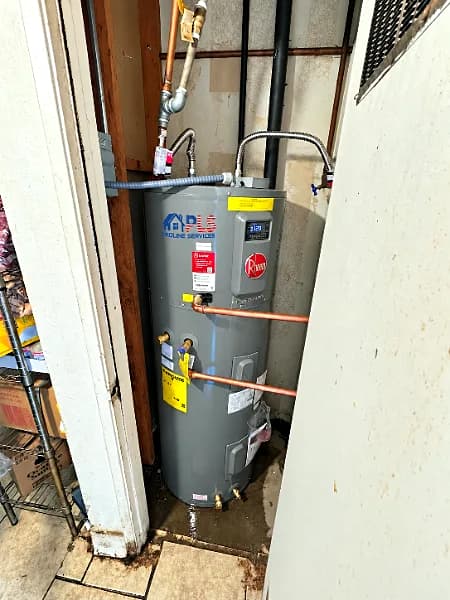
Hard water carries minerals that settle as scale inside a water heater and its connected valves. Scale can cause popping sounds, slower heating, cloudy water, or a leaking tank. The repair may involve cleaning, replacing a part, or replacing the heater when corrosion or tank damage has gone too far.
Mineral scale often collects near the burner or heating elements, where water is hottest. A gas or electric heater may make a popping or rumbling sound as water moves through the buildup. You may also notice less hot water because sediment takes up space at the bottom of the tank.
A water heater has several parts that can fail besides the tank. The shutoff valve may leak, the temperature and pressure valve may discharge water, or the anode rod may be worn down. An expansion tank can also develop problems when pressure changes put extra stress on the plumbing.
The right fix depends on the heater type, age, tank condition, leak location, and access around the unit. A technician may inspect the connections, test the controls, and check for corrosion before recommending cleaning, a part replacement, or a new water heater.
How can you tell if a pipe leak is under a slab?
A slab or concealed pipe leak may cause a warm floor, damp baseboard, musty smell, low pressure, or water use that rises without a clear reason. The source is not always where damage appears. A plumber can isolate the line, test the system, and choose a repair that limits unnecessary demolition.
A warm or damp spot on the floor can point to a hot water leak below the slab. Other clues include cracks that stay wet, sounds of water when fixtures are off, or flooring that buckles without a spill. A sudden increase in water use is another useful clue.
Start with a safe check by turning off every faucet, appliance, and irrigation fixture. Look at the water meter, wait, and see if the indicator continues moving. Do not break through the floor or wall to search for a pipe, because the visible moisture may be several feet from the actual leak.
The repair depends on the pipe material, leak location, access, and condition of nearby piping. Options may include repairing one section, rerouting a line, or replacing more of the run. A clear description of when the symptom started can help the technician narrow the search.
Why do old pipes and sewer drains cause trouble?
Galvanized pipes can rust and narrow from the inside, causing low pressure and discolored water. Sewer drains can slow when roots enter joints or cracks underground. The repair may include a targeted pipe repair, repiping, drain cleaning, or sewer line work after the cause and condition are confirmed.
Galvanized steel pipe was common in older homes, but its inside diameter can shrink as rust builds up. A shower may lose pressure when another fixture runs, and water may look yellow or brown after sitting in the line. Replacing one visible section may not solve a systemwide restriction.
Roots can enter sewer pipes through small joints or cracks, especially near mature landscaping. Early signs include a toilet that gurgles, several slow drains, or a sewer odor near a cleanout. Repeated clogs usually deserve more investigation than another dose of chemical drain cleaner.
A plumber can compare pressure at different fixtures and inspect accessible cleanouts. Drain cleaning may clear a blockage, but damaged pipe or heavy roots may require a longer repair. The best choice depends on the pipe material, depth, access, and whether the problem keeps returning.
What causes running toilets and leaking fixtures?
Running toilets usually have a worn flapper, fill valve, flush valve, or float that no longer controls the tank correctly. Dripping faucets often have worn cartridges, washers, or seals. Replacing the failed part can stop water waste, but a corroded fixture may call for a larger repair.
A toilet may run because water slips past the flapper into the bowl, the fill valve keeps refilling, or the float is set incorrectly. You may hear a short refill every few minutes even when nobody has used the fixture. Food coloring in the tank can reveal a silent flapper leak, but never use that test if the tank contains cleaning chemicals.
Faucets and shower valves can drip when cartridges, washers, or O-rings wear out. A leak at the supply connection may come from a loose nut, damaged gasket, or failing shutoff valve. Place a container under a small drip while arranging service, and close the local shutoff if water is escaping quickly.
Repair cost depends on the fixture type, failed part, corrosion, access, and whether the shutoff valve works. We start with a consultation, provide an estimate before work starts, schedule the work, complete the installation or repair, and finish with a final walkthrough. ProLine Services serves homes and businesses throughout the Fresno area.
What are the usual fixes for common plumbing problems?
| Problem | Signs | Usual fix |
|---|---|---|
| Hard water and water heater scale | White deposits, rumbling sounds, slow heating, cloudy hot water | Inspect the heater, clean buildup, replace failed parts, or replace a damaged tank |
| Slab or pipe leak | Wet spots, warm flooring, low pressure, rising water use | Locate the leak, repair the section, or reroute or replace the affected line |
| Aging galvanized pipe | Low pressure, rusty water, repeated pinhole leaks | Repair a small section or replace more of the corroded piping |
| Slow drains and sewer roots | Gurgling toilets, sewer odor, repeated clogs, several slow fixtures | Clean the drain, inspect the line, and repair damaged pipe or root entry points |
| Running toilets and leaking fixtures | Refilling sounds, bowl movement, dripping taps, wet cabinet floors | Replace the flapper, valve, cartridge, seal, or corroded fixture |
Questions people ask
Can hard water ruin a water heater?
Hard water does not damage every heater in the same way, but its minerals can form scale and sediment that reduce heating performance. The buildup may create popping sounds, restrict valves, or contribute to corrosion. An inspection can show if cleaning or a part replacement may help, or if the tank has reached the end of its usable condition.
How can I check for a hidden plumbing leak?
Turn off faucets, appliances, and irrigation fixtures, then watch the water meter for several minutes. Movement can suggest water is flowing somewhere in the system. Also look for warm flooring, damp cabinets, ceiling stains, or musty odors. Do not open walls or floors yourself, because the visible symptom may not mark the leak location.
Why do several drains clog at the same time?
Several slow drains often point to a blockage farther down the branch drain or main sewer line. Roots, grease, pipe scale, or a damaged section can restrict flow. A single sink cleaner may not solve the cause. Note which fixtures are slow, when the problem started, and if the toilet gurgles before calling for service.
When should an old galvanized pipe be replaced?
Replacement becomes more likely when galvanized pipe causes widespread low pressure, rusty water, repeated pinhole leaks, or frequent repairs. One leaking section does not always mean every pipe must be replaced. A plumber can compare the condition of exposed piping, check flow at several fixtures, and explain the difference between a local repair and repiping.